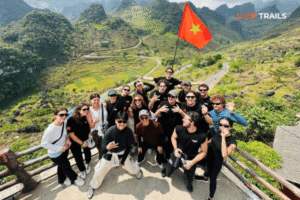


Thúy Kiều (Grace) is a travel blogger and content contributor for Loop Trails Tours Ha Giang. She holds a bachelor’s degree in Sustainable Tourism from Vietnam National University, Hanoi, and has a strong passion for exploring and promoting responsible travel experiences in Vietnam’s northern highlands.
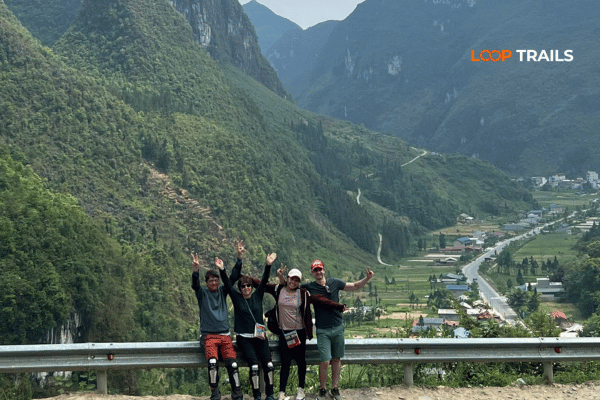
Learn more: Ha Giang Loop Tours
Most Ha Giang Loop guides online are written by people who did the trip once, came back buzzing, and turned their notes into a blog post. That’s fine, but it leaves a lot out.
These tips come from a different angle. They’re the things our guides quietly tell each other after the season starts. The packing fix that nobody warns you about. The viewpoint nobody else stops at. The mistake every group makes on day one. The reason your photos at Ma Pi Leng look flat even though you’re standing in the right spot.
Whether you’re booking a tour or riding self drive, these tips will save you time, money, and at least one minor regret. Read the sections that apply to you. Skip the ones that don’t.
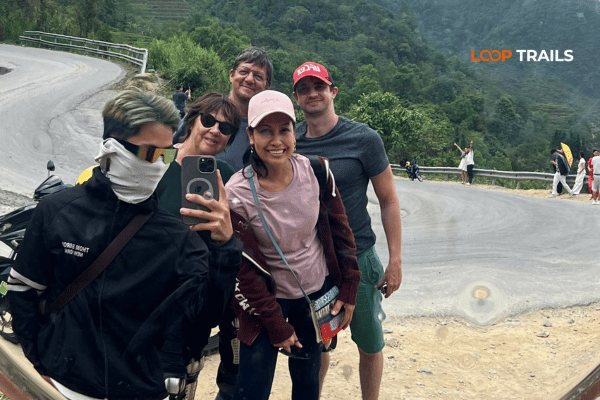
Learn more: Ha Giang Loop 2 Days 1 Night
A surprising amount of the trip is decided before you ever sit on a bike.
Pick the season before you pick the dates. The Ha Giang Loop is dramatically different in February versus October. Pick what you want to see (gold rice terraces, buckwheat flowers, plum blossoms, or just clear skies) and then build your travel dates around that, not the other way round. More on the seasonal calendar further down.
Book your tour at least 2 weeks ahead in shoulder season. For autumn (peak), make it 4 to 6 weeks. For Tet and major Vietnamese holidays, even earlier. Quality operators with capped group sizes fill up. The cheapest “still has space” option two days before departure usually has space for a reason.
Decide your tour format first. Easy rider, self drive, or jeep changes the price, the gear list, and even the pace of the trip. If you’re not sure which one fits, the “Which Set of Tips Matters Most for You?” section near the end has a quick decision tree.
Don’t book a tour and a same day onward flight. This is the single most common scheduling mistake. Roads close, weather shifts, buses run late. Always sleep a buffer night in Hanoi before you fly out.
Confirm group size in writing. “Small group” means different things to different operators. Ask for a number. Anything above 8 to 10 riders per guide is too big.

Learn more: Ha Giang Loop 3 Days 2 Nights
There’s no airport in the province. You’re getting there overland from Hanoi, and how you do it sets the tone for day 1.
Sleeper buses are fine if you sleep on buses. They leave Hanoi in the evening and arrive in Ha Giang City early morning, perfectly timed for tour briefings. Bring earplugs and an eye mask. The last few hours wind through hills and even good sleepers wake up.
Limousine vans are worth the upgrade if you’re tall. Modern minivans with reclining seats, USB ports, and air con. Faster than a sleeper, more comfortable, and not much more expensive.
Private cars work for groups of 3+. When you split the cost between three or four people, a private transfer is competitive, and you skip the bus station chaos entirely. Most operators (Loop Trails included) can arrange one when you book your tour.
Eat before you board the night bus. Bus station food is hit or miss, and you don’t want to discover that 4 hours into the ride.
Don’t trust random pickup offers. When you arrive in Ha Giang City off the bus, you’ll get approached by people offering tours, rentals, taxis, and “discount” homestays. If you’ve already booked, your operator is the only person picking you up. Walk past everyone else.
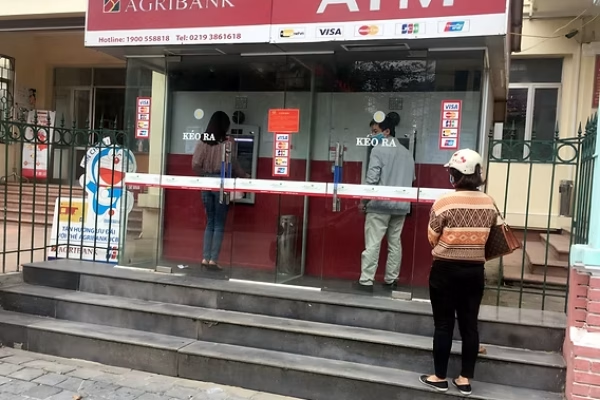
Learn more: Ha Giang Loop ATM & Money Guide
Cards work in cities. The mountains are still mostly cash.
Withdraw cash in Ha Giang City, not on the loop. ATMs in Dong Van and Meo Vac exist but are unreliable. Some accept foreign cards, some don’t, some are out of paper. Withdraw what you need before you leave Ha Giang City and you’ll never have to think about it again.
Bring small notes. Homestays, market stalls, and roadside coffee places struggle to break a 500,000 dong note. Mix your cash. Keep a stack of 50,000s and 100,000s for the road.
Tipping is not mandatory but appreciated. If your guide does a good job, a tip at the end of the tour is normal. The amount is up to you; ask other travelers in your group what they’re planning so you don’t pressure each other.
Don’t carry all your cash on you. Split it. Some in your wallet, some in your daypack, some in your big bag in storage. Pickpocketing is rare but losing things is not.
Skip the rice wine “donations” at homestays. Some homestays will hint at a tip “for the wine.” If wine isn’t included in your tour fee, it’s reasonable to pay for it. If it is included, you’ve already paid. Polite refusal is fine.
Learn more: Ha Giang Loop 4 Days 3 Nights
Phone signal on the loop is patchy. Plan for it.
Buy a Vietnamese SIM at the Hanoi airport or in Old Quarter. Cheap, easy, fast. Viettel has the best coverage in the mountains. Vinaphone is second. Don’t rely on hotel WiFi at homestays; it’s often slow or absent.
eSIMs work but check coverage. Some popular travel eSIMs use partner networks that don’t reach into Ha Giang province properly. If you’re going eSIM only, confirm Viettel partnership before you commit.
Download offline maps before you leave Ha Giang City. Google Maps lets you download regions for offline use. Maps.me and Organic Maps are also good. Cover the entire province plus a buffer. Phone signal will drop on every pass; offline maps don’t.
Bring a power bank, ideally two. Cold weather drains batteries fast. Heated grips and chargers on bikes aren’t always reliable. A 20,000 mAh power bank is cheap insurance.
Save key numbers offline. Your guide’s number, the operator’s emergency line, your homestay phone numbers if you have them. Screenshot, don’t just bookmark, in case the app crashes.
Learn more: Ha Giang Packing list
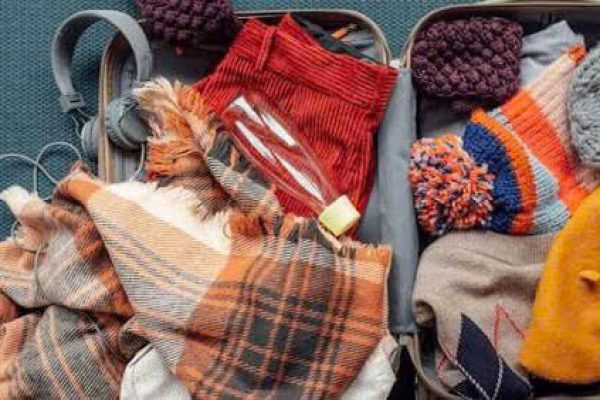
You don’t need much. You do need the right things.
The non negotiables:
What to leave in Hanoi:
The cold weather upgrade (December through February):
Soft pitch, no pressure: if you’re still picking your tour format, browse our Ha Giang Loop tours to compare easy rider, self drive, and jeep options. If you’ve decided to ride yourself, our motorbike rental in Ha Giang page has the current fleet.
Learn more: Ha Giang Safety Tips & Riding Gear
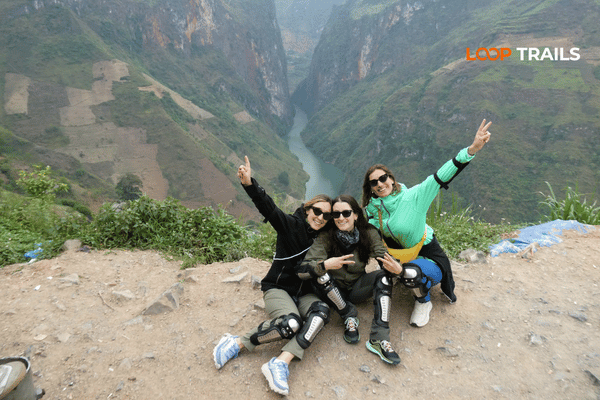
These apply to self drive riders specifically, but easy rider passengers will get something out of them too.
Read the road, not the GPS. GPS distance estimates on mountain roads are wildly optimistic. A 60 kilometer leg can take 3 hours with photo stops. Accept it. Build slack into your day.
Brake before the corner, not in it. Most foreign riders crash on the loop because they enter a corner too hot, then panic brake while leaning. Slow down on the straight, lean through the corner, accelerate out. Basic, but ignored constantly.
Don’t ride tired. If you didn’t sleep well at the homestay, the safe move is to take it slower the next day, not push harder. Fatigue plus winding mountain roads plus weather is the recipe most accidents follow.
Buffalo own the road. Cattle, water buffalo, dogs, kids, chickens. Slow down on blind corners. Always assume something is around the bend that wasn’t there last time.
Don’t overtake on blind sections. Trucks and buses are slow. Wait for a clear straight before passing. Most loop crashes happen on impatient overtakes.
Watch for sand and gravel after rain. Mountain runoff dumps loose material onto the road, especially on hairpins. Looks like dry tarmac, isn’t.
Always start the day with a full tank. Petrol stations exist on the loop but they’re spaced. Top up at every opportunity.
Test your brakes in the first 5 minutes. Get on the bike, ride 100 meters, brake hard. If something feels off, deal with it now, not 60 kilometers up the mountain.
Helmet, every minute. Even on the short hop to dinner. Even if “everyone else” rides without one. The cost benefit is laughably one sided.
Learn more: Ha Giang Loop Photography Guide
The Ha Giang Loop is one of the most photographed places in Vietnam. Most photos still come out generic. Here’s how to get something better.
Best light at Ma Pi Leng is morning or late afternoon. Midday sun flattens the canyon and washes out the river color. If you can plan to ride this stretch in the first 2 hours after sunrise or the last 2 before sunset, the photos transform.
Stop at the smaller pull outs. Everyone takes the same photo from the famous viewpoint. The next pull out 200 meters along often has a better angle and zero people in it.
Get below the road, not above. Most photos are shot from the road looking down. A short scramble onto a lower outcrop changes the composition completely. Be careful, the slopes are steep.
Use a buff or scarf as foreground. A trailing piece of fabric in the wind adds scale and motion to landscape shots. Cheap trick, works every time.
Drone rules are unclear and changing. Some travelers fly drones on the loop without issue, others get told off. The rules can change, especially near the China border. Check the current local situation before you bring a drone, and never fly near military or border infrastructure.
Ask before you photograph people. Especially elderly H’mong women, kids in school uniforms, and anyone working. A smile and a gesture is enough. Most people are happy to be photographed; some aren’t. Read the room.
Skip the staged “minority dress up” photo. Some operators offer travelers traditional H’mong clothing for photos. It’s tacky and not great culturally. The real thing is right outside the homestay; just be respectful.
Save the boat trip for a clear day. Nho Que River photos look magical when the sky is blue. On overcast days the color drops. If your itinerary lets you choose, time the boat trip for the best forecast.
Learn more: Ha Giang Homestay Guide
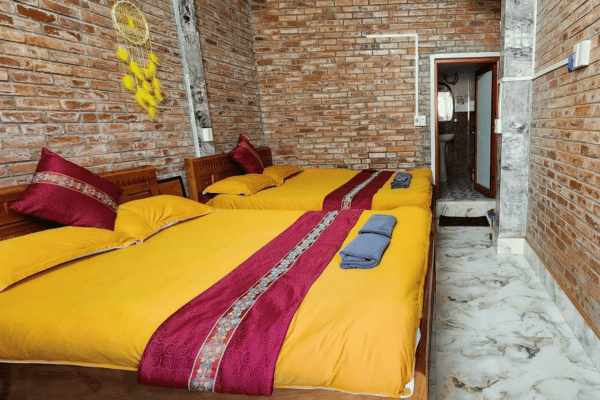
Homestays on the Ha Giang Loop are not hotels. They’re family homes that take in travelers. Behave accordingly.
Take your shoes off at the door. Always. There will be a pile of shoes near the entrance. Add yours.
Don’t expect privacy. Most rooms are shared, sometimes with thin walls or curtains instead of doors. Light sleeper? Pack earplugs.
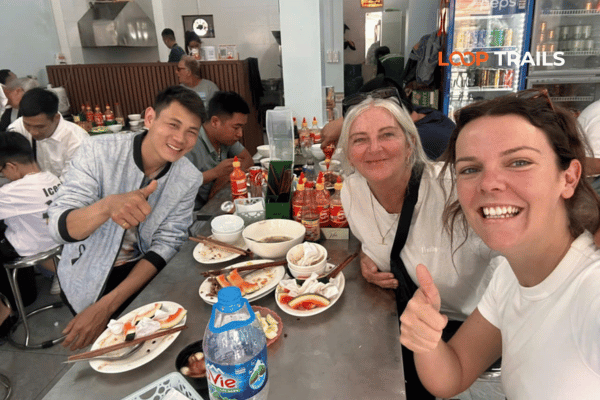
Eat what’s served. Dinner is family style and you sit with the host family. It’s polite to try a bit of everything. If you have real allergies or restrictions, tell your guide in advance, not at the table.
Compliments work better than complaints. If something is uncomfortable, your guide is the right person to ask, not the host directly. Hosts often don’t speak much English, and your guide can mediate without anyone losing face.
The rice wine question. Hosts will pour. Locals will toast. The proper Vietnamese custom is to drink in pairs and “100 percent” the glass. You don’t have to. A polite first round, then switching to water, is completely acceptable. “I have to ride tomorrow” is a universally understood reason to slow down. Just don’t be the traveler who refuses to participate at all; a token toast goes a long way.
Wake up early. Homestays start moving at 6am. Roosters at 5. If you want quiet sleep, pack earplugs. If you want to see the village come alive, get up.
Tip the homestay if it’s not included in your tour. A small amount, in cash, handed to the host. They’ll appreciate it more than you expect.
Learn more: Ha Giang Food guide
Loop food is generally good, but new travelers occasionally hit a rough patch. Some practical tips.
Pho ga and pho bo are safe bets. Hot broth, fresh ingredients, hard to mess up. If you’re feeling iffy, this is the order.
Ask for “khong cay” if you don’t do spicy. Some dishes come hot by default. The phrase means “not spicy” and works most places.
Try the local specialties. Thang co (a traditional H’mong soup), au tau cha la lot (rolled in betel leaf), corn wine, smoked buffalo. They’re worth the experience.
Skip raw vegetables if your stomach is sensitive. It’s not that they’re unsafe, it’s that the wash water might not match what your gut is used to. Cooked is safer for the first day.
Coffee is excellent, even in remote villages. Vietnamese coffee culture has reached Dong Van. Try ca phe sua da (iced coffee with condensed milk) or, if it’s cold, ca phe trung (egg coffee), if the cafe has it.
Carry a small snack. Photo stops between meals are long. A cheap sandwich or some peanuts in the daypack saves you from eating-out-of-hunger decisions.
Bring rehydration salts. Cheap from any pharmacy in Hanoi. If you do get a stomach upset, they’re the fastest way back to functional.
Learn more: Lung Tam Linen Village
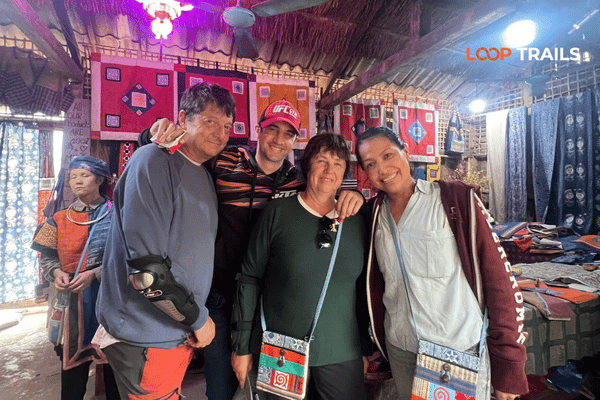
Ha Giang is home to multiple ethnic minority groups, primarily H’mong (Black, Flower, White, Red), Tay, Dao, and Lo Lo. They have distinct languages, dress, and customs. Some travel tips that go a long way.
Know whose home you’re in. Ask your guide which ethnic group runs the homestay each night. It changes how dinner conversation goes and gives you cultural context for what you’re seeing.
Markets are markets, not zoos. The big weekly markets (Dong Van Sunday, Meo Vac Sunday, Lung Phin Saturday) are working markets. People are buying and selling. They’re not staged for tourists. Photograph respectfully, don’t get in the way of vendors, don’t try to “bargain hard” on a 20,000 dong purchase. It’s bad form.
Buy something small. If a local family hosts you for tea or lets you photograph them, buying a small textile, snack, or spice is a graceful thank you that doesn’t feel like charity.
Don’t give candy or money to children. It encourages begging and creates ugly dynamics over time. If you want to support, buy from a parent’s stall or donate to a local school project through a verified channel.
Learn three Vietnamese words. “Xin chao” (hello), “cam on” (thank you), and “ngon qua” (very delicious). Use them shamelessly. People love the effort.
Dress modestly in religious sites. Pagodas, temples, ancestral shrines. Cover shoulders and knees. Take shoes off where indicated.

Learn more: Ha Giang Loop Mistake to Avoid
The loop is harder on the body than people expect.
Altitude is real but manageable. Dong Van and Meo Vac sit above 1,000 meters. Most travelers feel a little extra fatigue but no serious altitude symptoms. Drink more water than usual.
Motion sickness on winding roads. Some travelers get carsick or jeep sick on the passes. If you’re prone to it, take medication before the day starts, not after symptoms appear. Sit in the front of the jeep if you can.
Knees and back take a beating. Long days in one position add up. A small foam roller or tennis ball at the homestay (use it on your back against the wall) helps a lot. Stretch hips and lower back before bed.
Bring basic medication. Painkillers, antihistamines, motion sickness pills, rehydration salts, blister plasters, and a small first aid kit. Pharmacies in Ha Giang City are decent but you don’t want to be looking for one in Du Gia at 9pm.
Hydrate even in cold weather. Cold air is dehydrating, and you don’t notice until you’re already behind. Sip water at every photo stop.
Tell your guide if you’re not okay. Headache, dizziness, weird stomach, sore knee. Mention it. The guide can adjust pace, route, or stops. The trip doesn’t have to be miserable to be authentic.
Learn more: Ha Giang Loop Weather
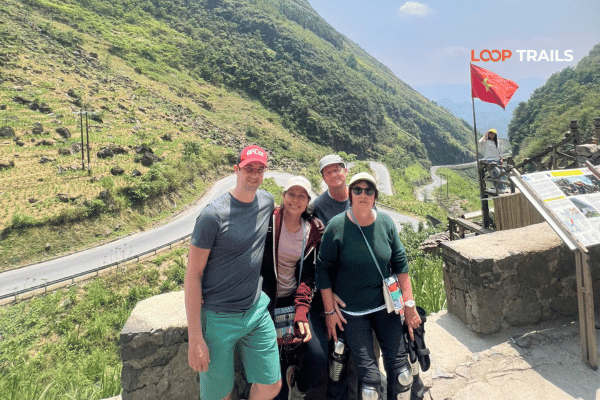
Quick season tips, more practical than the usual “best time to visit” lists.
January and February: Pack thermals, expect fog on Ma Pi Leng, plan around peach blossoms near Tet, double check road conditions.
March to May: Layer for cool mornings and warm afternoons, expect occasional rain, carry waterproof at all times.
June to August: Wet season. Build a buffer day, never book a same evening onward flight, expect dramatic clouds and emerald rice paddies, accept that some days will rain hard.
September to November: Peak season. Book early, be ready for cool mornings (especially November), enjoy the most reliable visibility of the year.
December: Cold but dry. Pack like it’s autumn in northern Europe. Gorgeous low light for photography.
Mid article CTA, no pressure: if these tips have you ready to plan, take a look at our Ha Giang Loop tours for easy rider, self drive, or jeep options. If you’d rather ride independently, our Ha Giang motorbike rental page has the bikes we maintain ourselves.
Learn more: Ha Giang Cao Bang 5 Days 4 Nights
A short list of things that prevent the most preventable problems.
Helmet always. Already said it, saying it again.
Don’t ride drunk. Even after one rice wine “for the photo.” Rural Vietnamese roads have zero tolerance for drunk driving and zero tolerance for the consequences either.
Stop when the weather turns. A 30 minute coffee break beats a hospital trip.
Travel insurance with motorbike coverage. Non negotiable. Read the engine size limit and “professional driver” clauses. Most policies require a valid license; check yours before you fly.
Save emergency contacts. Your operator’s hotline, your country’s embassy in Hanoi, your travel insurance claims line. All offline accessible.
If something on the bike feels wrong, stop. Strange noise, weird vibration, pulling to one side. Tell your guide immediately. Self drive riders, pull over and inspect.
Don’t ride at night unless you have to. Mountain roads after dark are a different game. Most reputable tours wrap up riding before sunset for this reason.
Learn more: Ha Giang Cao Bang Ba Be Lake 6 Days 5 Nights
You don’t have to take the cheapest tour to save money. There are smarter ways.
Travel in shoulder season. April, May, late November. Same scenery, lower prices, fewer crowds, easier bookings.
Join a small group tour instead of going private. You lose some flexibility but cut the per person cost noticeably.
Skip the Hanoi private transfer. Sleeper bus or limousine van does the job for a fraction of the price.
Drink water at homestays, buy beer in the village. Beer at homestays is usually marked up; village shops are cheaper.
Carry your own snacks. Roadside coffee stops add up. Pack peanuts, dried fruit, or a baguette in your daypack.
Don’t rent gear you can pack. Rain jackets, gloves, and buffs are cheaper at home or in Hanoi than rented from a tour shop. Bring what you have.
Pay the operator directly, not through a 3rd party booking site. Booking aggregators take 15 to 25 percent. Many operators (Loop Trails included) offer slightly better rates when you book direct, especially for repeat travelers.
Learn more: Cao Bang Loop 3 Days best kept secret
These come from conversations with our actual guides, not from a marketing meeting.
The morning of the boat trip, look at the river first. If the Nho Que looks brown and fast moving, the operator may cancel the boat for safety. Have a backup plan for that morning rather than building everything around the boat.
Ask your guide where they actually eat. Tour stops are tour stops. The good food is usually one street back, in a place with no English menu. Most guides will happily take you if you ask.
Sunset at Tham Ma Pass beats sunset at Ma Pi Leng. Less famous, less crowded, often better light for the view down the valley. Ask your guide if there’s time.
Lung Cu is great. The road there is even better. The flag tower itself is a nice symbolic moment, but the ride from Yen Minh up to Lung Cu has some of the best switchbacks of the entire loop. Don’t rush it.
Du Gia waterfall in the morning, not the afternoon. Light is better, fewer travelers, the water feels colder which is exactly what you want after a sweaty day.
Markets work best 7 to 10am. That’s when locals actually buy. By 11, the energy fades, vendors start packing, and the photos go flat.
The first homestay of any tour is usually the busiest. If you have a chance to choose your tour’s itinerary direction, the “reverse” loop sometimes lands you at the better, quieter homestays first. Ask your operator.
Carry a small gift for the host family. A box of fruit from Hanoi, a small souvenir from your country, anything. It’s not expected, but it’s remembered.
Learn more: Ha Giang Loop with Kids
The loop ends, but there are still small wins to grab.
Eat a real lunch in Ha Giang City. After 4 days of homestay food, the city has surprisingly good restaurants. Ask your guide for a recommendation.
Repack carefully. Anything dirty goes in a plastic bag, anything fragile goes in your daypack. Your big bag will get bungeed onto a sleeper bus next.
Confirm your onward transport that morning. Bus times can shift. Have a screenshot of your booking and the operator’s number.
Tip your guide. If they were good, this is the moment.
Leave a real review. Not “great trip 5 stars,” but a specific, detailed review that names your guide and describes what stood out. It actually helps the operator and helps the next traveler pick well.
Sleep one buffer night in Hanoi before your flight. Said it earlier, saying it again because travelers ignore it constantly.
Don’t book another big trip the same week. Let the loop settle. It’s more tiring than it feels in the moment.
Learn more: Ha Giang in September & October
Quick gut check on which tips to prioritize based on your trip type.
| You are… | Prioritize these tips |
|---|---|
| First time visitor, never ridden a motorbike | Booking, packing, homestay, cultural |
| Experienced rider going self drive | Riding, safety, money, connectivity |
| Couple on a comfort focused trip | Booking, photo, food, weather |
| Family with kids or older parents | Health, weather, food, safety |
| Solo traveler hoping to meet people | Homestay, cultural, money saving |
| Photographer prioritizing image quality | Photo, weather, insider, packing |
| Tight budget backpacker | Money saving, transport, packing |
If you’re still not sure which tour format fits you, message us with a 2 line description of your group and we’ll send back a recommendation. No upsell, just a real answer. It’s the same conversation we’d have if you walked into our office.
Learn more: Ha Giang Motorbike Rental
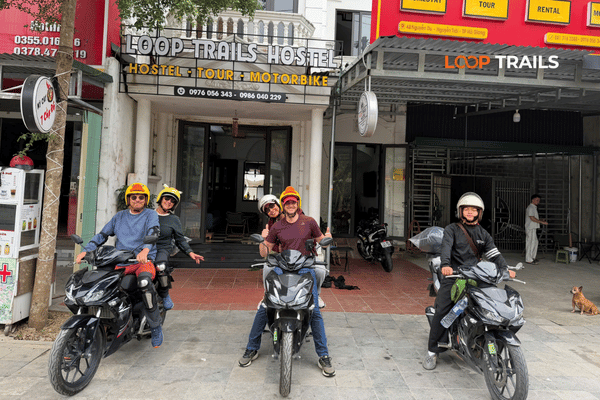
We’re a small team based in Ha Giang. We run Ha Giang Loop tours in three formats (easy rider, self drive, jeep), keep group sizes capped on purpose, and maintain our own bikes between every trip. We also offer motorbike rental in Ha Giang for independent riders, plus Ha Giang and Cao Bang combine tours and a standalone Cao Bang loop for travelers who want to extend the adventure.
The fastest way to plan: message us on WhatsApp with your dates, group size, and tour preference. You’ll get a clear quote, written inclusions, and a same day reply. No pressure follow ups, no upsell games.
These tips are meant to make your loop better whether you ride with us or someone else. The best version of the Ha Giang Loop is the one you arrive at prepared. Pack right, pick the right format, eat the food, take your shoes off, slow down for the buffalo, and you’ll come home with the trip you actually wanted.
See you up north.
Learn more: Ha Giang Loop Hidden Gems
Pick the right tour format before anything else. An easy rider tour or jeep tour removes most of the risk if you’re new to motorbikes or new to Vietnam, and the rest of the trip falls into place around that decision.
Withdraw enough in Ha Giang City to cover drinks, snacks, tips, souvenirs, and any optional activities not included in your tour. ATMs on the loop are unreliable, so don’t plan to top up mid trip. Specific amounts vary by traveler; ask your operator for an estimate based on your tour.
Yes. Phone signal on passes is patchy but works in most towns and homestays. Buy a Viettel SIM in Hanoi for the best mountain coverage. Always download offline maps before you leave Ha Giang City as backup.
Underestimating cold mornings, even in summer at altitude. Pack one layer warmer than you think you need. Also: a real waterproof jacket, not a thin poncho. Rain shows up without warning.
They’re family homes with extra rooms, not hotels. Expect shared bathrooms, basic mattresses, and authentic family meals. Comfort is moderate; the experience is excellent. Pack earplugs and an open mind.
A token amount is polite. Full participation is not required. Saying “I have to ride tomorrow” is a universally accepted reason to slow down. Pace yourself.
Morning or late afternoon. Midday flattens the canyon and dulls the river color. If your tour passes Ma Pi Leng at the wrong time, ask your guide if you can revisit during better light.
Book through a reputable operator with written inclusions. Don’t accept random pickup offers at Ha Giang City bus station. Ask about group sizes and bike maintenance before you book. Read detailed reviews, not just star ratings.
On an easy rider or jeep tour, yes. Self drive is risky for travelers without real motorbike experience. Choose your format based on actual skill, not optimism.
Eat a proper lunch in Ha Giang City, repack carefully, confirm your onward transport, tip your guide if they were good, and sleep one buffer night in Hanoi before any onward flight.
Yes, with at least 7 to 9 days total. Combine tours link both provinces in a single trip and skip the logistics headache of doing them separately. Loop Trails runs combine tours specifically for this.
Don’t book a same evening flight out of Hanoi after your tour ends. Roads close, buses run late, weather shifts. Always sleep a buffer night in Hanoi before flying onward.
Contact information for Loop Trails
Website: Loop Trails Official Website
Email: looptrailshostel@gmail.com
Hotline & WhatSapp:
+84862379288
+84938988593
Social Media:
Facebook: Loop Trails Tours Ha Giang
Instagram: Loop Trails Tours Ha Giang
TikTok: Loop Trails
Office Address: 48 Nguyen Du, Ha Giang 1, Tuyen Quang
Address: 48 Nguyen Du, Ha Giang 1, Tuyen Quang
Facebook X Reddit Table of Contents Learn more: Ha Giang Loop Tours Most people drive past the Quan Ba area twice on
Facebook X Reddit Table of Contents Learn more: Ha Giang Loop Tours The Ha Giang Loop has a reputation problem with older