
Ha Giang Loop: 3 Days or 4 Days? An Honest Comparison
Facebook X Reddit Table of Contents Learn more: Ha Giang Loop Tours This is the question that sits in almost every Ha

Thúy Kiều (Grace) is a travel blogger and content contributor for Loop Trails Tours Ha Giang. She holds a bachelor’s degree in Sustainable Tourism from Vietnam National University, Hanoi, and has a strong passion for exploring and promoting responsible travel experiences in Vietnam’s northern highlands.
Learn more: Ha Giang Loop Tours
Most first-time travelers to Vietnam never make it to Cao Bang. They fly into Hanoi, do the Ha Giang Loop, maybe squeeze in Sapa, and head south thinking they’ve seen the north. They haven’t.
Cao Bang is the province most riders quietly call their favorite once they’ve ridden both. The roads are smoother, the valleys feel wider and softer, and the headline attraction, Ban Gioc Waterfall, is one of the few places in the country that genuinely lives up to its photos. It’s also less crowded, which in northern Vietnam is starting to mean a lot.
This guide is the long version: where Cao Bang is, how to get there, what to do, where to stay, and how to fit it into your trip without burning a week of travel time. If you ride, drive, or just want a guide to do the planning for you, this covers all three.
Learn more: Ha Giang Loop 2 Days 1 Night
A short pitch, since “underrated province” is a phrase that gets thrown around a lot in Vietnam.
Cao Bang earns it for a few reasons:
If you’ve already done Ha Giang and want more, or you want a quieter alternative, Cao Bang answers both questions.
Learn more: Ha Giang Cao Bang 5 Days 4 Nights
Cao Bang is in Vietnam’s far northeast, sharing a long border with China’s Guangxi region. To orient: Ha Giang province sits to the west, Bac Kan to the south, Lang Son to the southeast.
The provincial capital, Cao Bang City, is roughly 280 kilometers north of Hanoi by road. Most attractions sit in a rough circle around Trung Khanh district (for Ban Gioc), Quang Hoa (for the southeast loop), Nguyen Binh (for Phia Oac in the southwest), and Bao Lac (the gateway from Ha Giang in the west).
You don’t need to memorize districts. What matters is that the main sights cluster into two zones: an eastern zone around Ban Gioc and Nguom Ngao, and a western zone with Phia Oac, Pac Bo, and the Bao Lac connection. Most loop itineraries cover both.
Learn more: Ha Giang Loop 3 Days 2 Nights
The standard route is a sleeper bus or a limousine van, leaving from Hanoi’s My Dinh or Gia Lam stations. Travel time is usually 7 to 9 hours depending on traffic and stops, with night services arriving in Cao Bang City around dawn. Day buses also run.
There’s no airport in Cao Bang and no direct train. If you want a faster option, a private car can shave time off the trip but costs significantly more.
A note on bus quality: services have improved in recent years, but standards still vary. Booking through a hotel or trusted platform is usually safer than walking into the station and buying the cheapest ticket. Confirm pickup times and locations the day before, since timings can change.
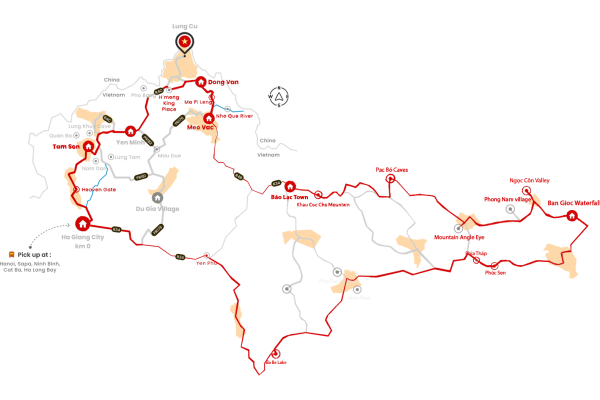
This is the route most independent travelers underuse, and it’s our personal favorite. After finishing the Ha Giang Loop, instead of looping back to Ha Giang City, you continue east from Meo Vac toward Bao Lac, then onward into Cao Bang.
The road from Meo Vac to Bao Lac is one of the prettiest stretches in the north: river canyons, very little traffic, small Tay and Nung villages along the way. From Bao Lac, you can spend a day or two before riding into Cao Bang’s main sights.
Doing it this way turns two separate trips into one continuous journey. If that interests you, our Ha Giang and Cao Bang combine tour is built around exactly this routing.
Coming from anywhere west or south, you’ll route through Hanoi. There’s no efficient direct connection. Plan a Hanoi rest day in between, repack, and continue north.
Learn more: Ha Giang Loop 4 Days 3 Nights
There’s no perfect month. Each season trades off something.
| Season | What you get | What you trade |
|---|---|---|
| March to May (spring) | Mild temperatures, blooming flowers, clear air | Ban Gioc volume is lower toward the end |
| June to August (summer) | Lush green rice fields, full waterfalls | Hot, humid, occasional storms |
| September to October (early autumn) | Best overall: ripe terraces, comfortable temps, strong waterfalls | Popular with Vietnamese tourists on weekends |
| November to early December | Crisp, dry, golden light, chestnut season in Trung Khanh | Cooler in higher areas |
| Late December to February | Quietest, dramatic mist, occasional frost in Phia Oac | Cold mornings, lower waterfall flow, foggy roads |
If you’re choosing one window, late September through early November is the sweet spot for most travelers. Ban Gioc still has serious volume from the wet season, the rice is harvest-ready, and the temperature lets you ride all day in a light jacket.
For Ban Gioc specifically: the waterfall is widest and loudest in the second half of the rainy season, roughly August to October. By March, it splits into thinner threads of water across the cliff. Both look beautiful. They just look different.
Weather in the mountains changes quickly. Mist can roll into Phia Oac in minutes. Always check a forecast the day you ride and pack a light rain layer regardless of season.
Learn more: Ha Giang Cao Bang Ba Be Lake 6 Days 5 Nights
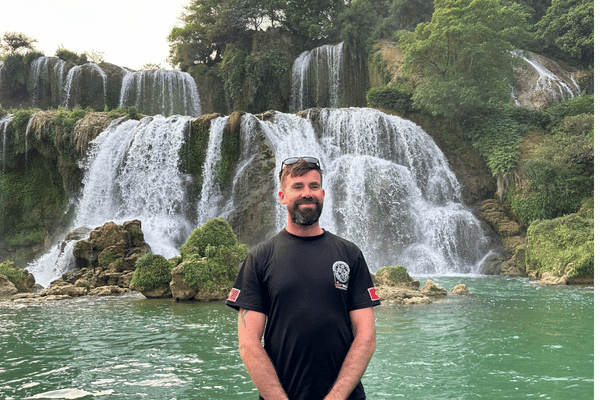
The main reason most travelers come. Ban Gioc straddles the Vietnam–China border, with the larger tier on the Vietnamese side. From the viewpoint, you see a wide, multi-tiered cascade dropping into a green river, with karst peaks rising on both sides.
The classic experience is a short bamboo raft ride that takes you close enough to feel the spray. Operators run from the riverbank, and the rides are short. Wear something you don’t mind getting wet.
A few practical notes:
Learn more: Nguom Ngao Cave
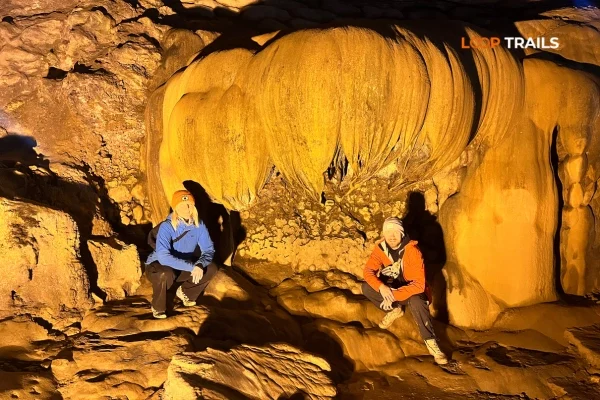
About 5 kilometers from Ban Gioc, so almost everyone visits both in one trip. Nguom Ngao is a long limestone cave with lit walkways winding through chambers of stalactites and stalagmites. It’s well developed for visitors but doesn’t feel theme-park.
You can comfortably do it in 45 to 60 minutes. Wear shoes with grip; the walkways can be slick where water drips.
In the far north of the province, Pac Bo is the cave where Ho Chi Minh lived after returning to Vietnam from China in 1941 to lead the independence movement. It’s a national pilgrimage site for Vietnamese visitors, and even if the history isn’t your interest, the setting itself is striking: clear streams, forested hills, and quiet trails.
It’s a longer ride from Cao Bang City, so most people make it a half-day trip or pair it with sights along the way.
A cluster of mountain lakes east of Cao Bang City, surrounded by limestone walls. The water level changes seasonally, sometimes dramatically, which is part of what makes the area worth a visit. Locals offer kayak and small-boat rentals when conditions allow.
This is a good lower-key half-day stop, especially if you want a break from full riding days.
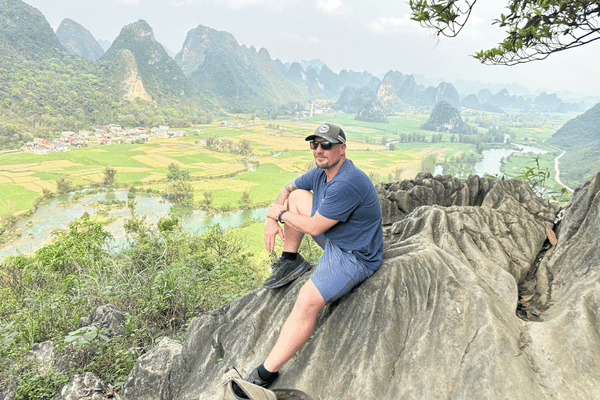
Phong Nam is the postcard valley most travelers never hear about. Long flat rice fields, the Quay Son River winding through, low traditional Tay houses, and karst peaks that frame everything. There’s no headline “attraction” here. The valley itself is the attraction.
A few minutes away, Khuoi Ky village is famous for its houses built almost entirely from local stone, a Tay tradition that’s largely unique to this corner of Vietnam. A handful of homestays operate inside the village, and walking through it feels like stepping a few decades back.
If you only have one “slow morning” in Cao Bang, spend it here.
Learn more: Explore just the Cao Bang Loop
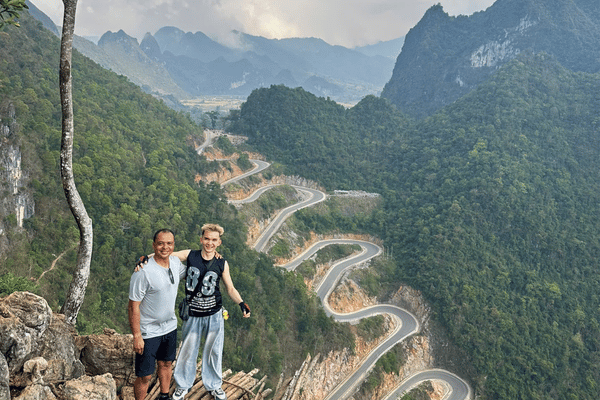
Officially called Khau Coc Cha, but everyone calls it the 14-bend or 15-bend pass depending on who’s counting. It’s a tight switchback road climbing up a hillside in the western Cao Bang area, near Bao Lac and the Ha Giang border zone.
From the right viewpoint, the bends stack on top of each other like a folded ribbon. It’s spectacular to look at and a focused but rewarding ride if you’re going up it. Visit in clear weather, since fog can hide the whole pattern.
In Nguyen Binh district, Phia Oac is higher elevation and noticeably cooler than the rest of the province. In December and January, occasional frost forms on the trees and grasses, and once every few years there’s a dusting of snow, which is rare anywhere in Vietnam.
The park has hiking trails, French colonial ruins from old hill stations, and tea plantations. It’s quieter than the eastern attractions and a good detour for travelers who like nature over named sights.
Bao Lac is a small market town in the west of the province, sitting on the Gam River. By itself it’s a quiet stopover. What makes it valuable is its location: it’s the natural connector between Ha Giang’s Meo Vac side and the rest of Cao Bang.
If you’re combining the two provinces, you’ll likely sleep in Bao Lac at least one night. Local markets, a few decent guesthouses, riverside food. Nothing flashy, very real.
Thinking about how to put all of this together? If a self-organized loop sounds like a lot, our Cao Bang Loop tour handles the routing, accommodation and meals so you just ride and enjoy the landscape. Easy rider and self-drive options available.
Learn more: Ngoc Con Valley& Pi Pha Viewpoint
Day 1: Arrive in Cao Bang City in the morning. Rest, eat, ride out to Phong Nam Valley and Khuoi Ky in the afternoon. Sleep in a Khuoi Ky homestay or push on to Trung Khanh.
Day 2: Ban Gioc Waterfall in the morning when the light is good and the crowds are lighter. Nguom Ngao Cave after lunch. Optional: ride up to Truc Lam Phat Tich pagoda for sunset. Sleep in Trung Khanh or back in Cao Bang City.
Day 3: Thang Hen Lake en route back to Cao Bang City. Bus or transfer back to Hanoi in the evening (overnight) or fly out the next morning.
This is tight. You’ll see the headline sights but won’t have much room for slow mornings.
Add a day for Pac Bo and a day to wander Phong Nam without rushing. Optionally swap one day for Phia Oac if cooler-climate hiking and old French ruins interest you.
A relaxed 5-day version typically looks like:
The combine version typically runs Hanoi → Ha Giang Loop (3 to 4 days) → Bao Lac (1 night) → Cao Bang loop (2 to 3 days) → bus back to Hanoi. It’s long, but it’s the version most riders look back on as their favorite.

Learn more: Quan Ba Heaven Gate
Worth its own section, because almost nobody plans this trip in advance. They do Ha Giang, hear about Cao Bang from another rider in Meo Vac, and try to extend on the fly. It works, but it works much better if you plan the route from the start.
Why combine:
What to know:
Learn more: Ha Giang Motorbike Rental
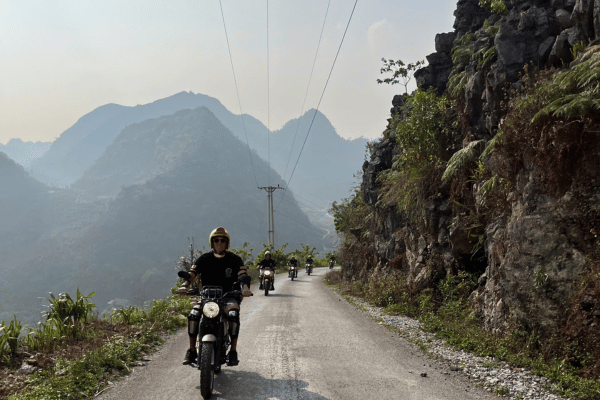
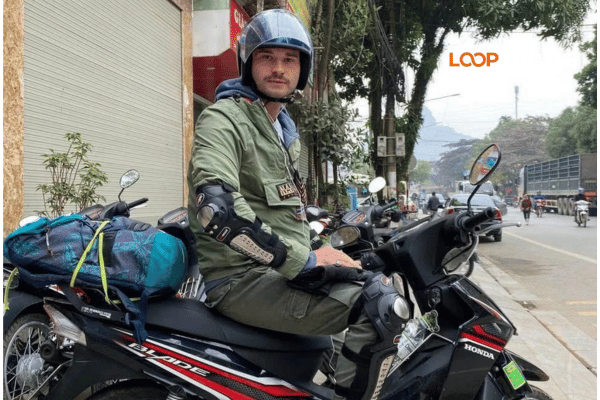
The most flexible way to see the province if you’re confident on a bike. Roads are mostly paved, but expect occasional rough patches, livestock on the road, and steep gradients on side routes. A semi-automatic or manual bike (typically 110cc to 150cc) handles the terrain well.
Important and easy to forget: foreign driving license rules in Vietnam are a moving topic. Some travelers ride for years with no issue, others get fined. Rules can change. Check the latest situation before you go and make insurance decisions accordingly. We recommend a properly licensed setup if you can arrange one.
If you’re starting in Ha Giang and continuing into Cao Bang, our Ha Giang motorbike rental offers bikes that are road-ready, regularly serviced, and supported with roadside help. Confirm with us about cross-province routes when you book.
Learn more: Ha Giang Loop Easy Rider
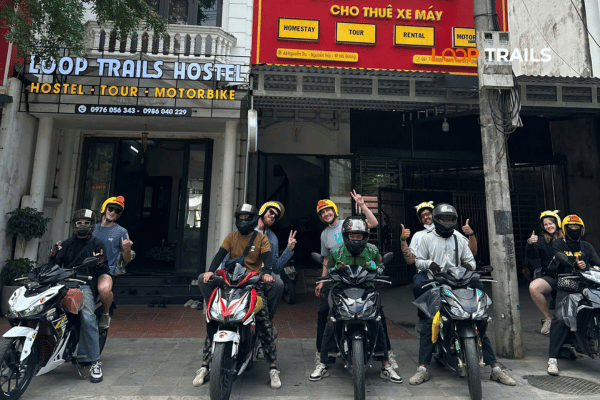
You sit on the back, a local guide drives. Most flexible-feeling option for travelers who don’t ride or don’t want the responsibility. Easy riders can reach the same routes a self-driver does, and a good guide adds context, food stops, and shortcut local knowledge that’s hard to replicate on your own.
If your group has mixed riding experience, an easy rider arrangement for the non-riders plus self-drive for the riders works well.
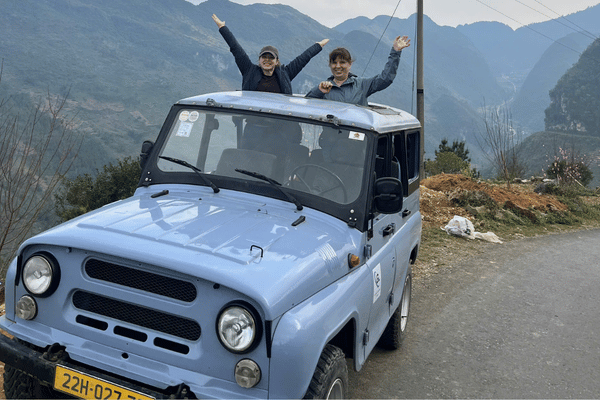
Learn more: Ha Giang Loop by Jeep for Families & Groups
For travelers who want comfort, are traveling with kids, or just don’t enjoy two wheels. You’ll skip some of the smaller side roads and the open-air feel, but you’ll be dry in rain and you can carry more luggage.
Jeep tours are increasingly popular and a good middle ground: open enough to feel the landscape, but with a roof and a driver. Worth considering if your dates fall in cooler or wetter months.
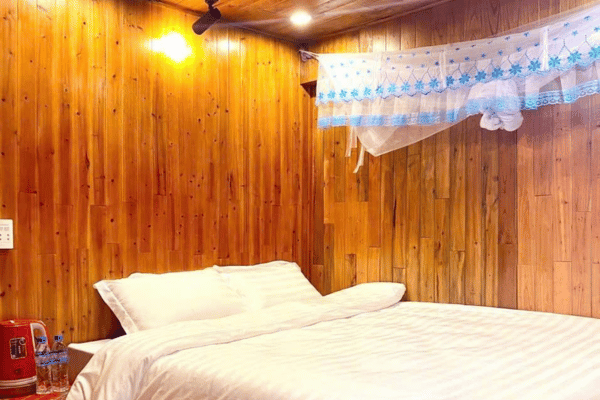
Learn more: Lo Lo Chai Village
You have three main choices, and they’re not interchangeable.
Cao Bang City is the obvious base. Hotels and guesthouses cover most budgets, restaurants are easy, and ATMs work. Trade-off: most of the sights are an hour or more away by motorbike. Good if you want a fixed base and day trips, less efficient if you want a loop.
Trung Khanh district (near Ban Gioc) has guesthouses and a small handful of nicer resorts. Sleeping near Ban Gioc lets you visit the waterfall first thing in the morning, which is genuinely better. Less choice for dinner, more rural feel.
Khuoi Ky stone village homestays are the most atmospheric option. Traditional stone houses, family-cooked dinners, riverside setting. Bathrooms are simple. Wi-Fi can be spotty. If you want one night that you’ll remember, this is where to spend it.
Booking habits in Cao Bang are still mixed. Major platforms list larger hotels and well-known homestays, but plenty of good places only take direct phone or messaging bookings. If you’re going independent, a Vietnamese-speaking friend or a travel agent helps. If you’re on a tour, this is taken care of for you.
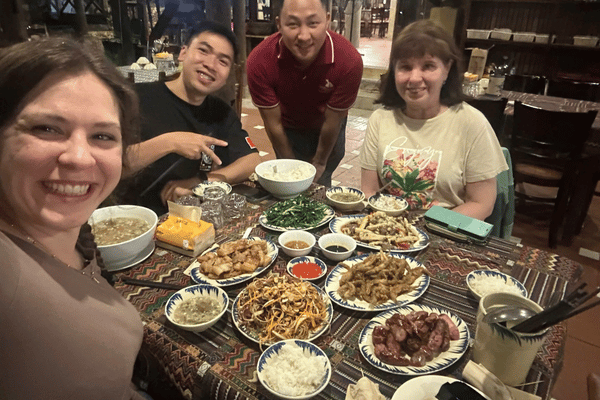
Learn more: Ha Giang Food guide
The food in Cao Bang is one of the most underrated parts of visiting. A short list of things worth trying:
Most homestays will offer a set family-style dinner if you ask in advance. It’s almost always more interesting than ordering off a menu in town.
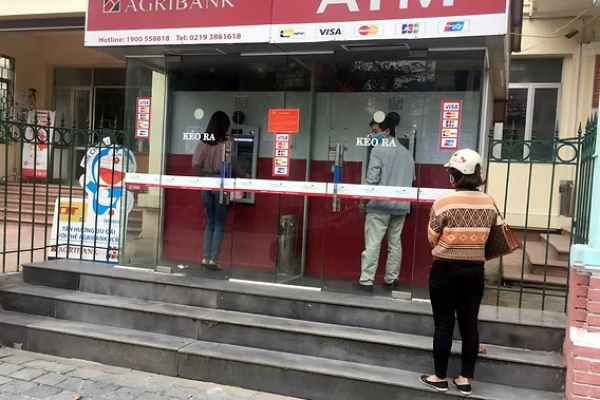
Learn more: Ha Giang Loop ATM & Money Guide
A few useful things to know rather than a fake price list, since costs change quickly:
In general, Cao Bang is cheaper than Hanoi or Sapa for food and stays, similar to Ha Giang. Tour pricing depends on duration, group size, and whether you choose easy rider, self-drive, or jeep. Send us a message and we can give you current numbers for your dates.
Learn more: Ha Giang Loop Mistake to Avoid
Most “scams” in Cao Bang aren’t scams in the dramatic sense, just travelers losing money or time on avoidable mistakes. The pattern repeats:
Booking the cheapest motorbike rental you can find. Old chains, soft brakes, and bald tires turn into a real problem on a mountain pass. Save the difference somewhere else.
Underestimating riding time. Distances on Google Maps in this region routinely lie. A “two hour” ride can take three and a half once you factor in road quality, weather, and stops. Build in buffer.
Riding tired or after rice wine. Mountain roads are not where to test your limits. If a homestay dinner runs long with toasts, sleep where you are and ride in the morning.
Not having photos of your bike at pickup. If you’re renting, photograph the bike from every angle before you ride off. This protects both you and the rental company from disputes about pre-existing damage.
Skipping travel insurance for motorbike riding. Many standard travel insurance policies exclude motorbike accidents unless you have a valid license and engine size coverage. Read the fine print before you ride.
Treating Ban Gioc like a quick stop. Travelers regularly try to do Ban Gioc as a single-day round trip from Cao Bang City. It’s possible, but you’ll spend most of the day on the bike and arrive at the falls tired. An overnight near the waterfall transforms the experience.
Learn more: Ha Giang Packing list
Pack for variable weather even in summer. A practical list:
Skip: heavy hiking boots (too clunky for everyday wear and for riding), formal clothes (not needed anywhere you’ll go), and oversized luggage (storage on a motorbike is limited).
If you’re doing a tour with us, we can hold larger luggage at our base, so you only ride with what you need.
Learn more: Ha Giang Loop Self-Drive
A quick way to think about it.
Choose self-drive motorbike if: you have prior riding experience, you want flexibility to stop wherever and whenever, and you’re comfortable with the responsibility for the bike, the route, and (where required) the licensing situation.
Choose easy rider if: you don’t ride, you’re a nervous rider, you want to enjoy the views without watching the road, or you want a local guide’s perspective alongside the driving. Best for solo travelers and couples who want different things from the trip.
Choose a jeep tour if: you’re traveling with kids, with a parent, with someone who has a back or knee issue, or in cooler/wetter months. Also good if you want to bring more luggage or photography gear.
Choose the combine Ha Giang and Cao Bang tour if: this is likely a once-in-a-lifetime trip and you want both provinces in one continuous journey. Almost everyone who does this version ends up glad they did.
If you’re not sure, message us with your dates, group size, and riding experience and we’ll point you to the right option honestly. We’d rather you take the trip that suits you than the most expensive package.
Learn more: Ha Giang Loop Photography Guide
Cao Bang is one of those places that rewards travelers who plan a little extra time. The headline sights, Ban Gioc, Nguom Ngao, the mountain passes, are genuinely worth the trip on their own. But what stays with most riders afterward is the in-between: a quiet valley road, dinner with a stone-house family, a cold morning ride through mist before the world wakes up.
It’s not the easiest province in Vietnam to plan around independently, but it’s also not difficult. With a clear itinerary, a reliable bike, and realistic expectations about distances and weather, you’ll come away with a trip most other travelers will hear about and wish they’d done.
Whether you ride yourself, sit pillion, or take the jeep, Cao Bang is ready when you are.
Learn more: Ha Giang Loop for Couples
Yes, Cao Bang is generally safe. Petty crime is rare, and locals are welcoming. The main risks are road-related: mountain weather, livestock crossings, and rough sections. Ride within your limits, carry travel insurance, and you’ll be fine.
Three days covers the main sights at a tight pace. Four to five days is the relaxed version, with time for slower mornings and side trips like Pac Bo or Phia Oac. If combining with Ha Giang, plan 7 to 9 days total.
Both work. Independent travel is doable if you’re confident with logistics, motorbikes, and limited English in rural areas. Tours remove the planning, handle the bike and accommodation, and connect routes you’d struggle to piece together alone, especially for the Ha Giang combine version.
They’re different. Ha Giang is more dramatic and vertical; Cao Bang is softer karst, valleys, and waterfalls. Most riders who’ve done both prefer the combine trip rather than picking one. If you only have time for one, Ha Giang is more iconic, Cao Bang is quieter.
For maximum water volume, visit between August and October. For the best light and most comfortable temperatures, September through November is the sweet spot. Avoid Vietnamese national holidays if you want fewer crowds.
Cao Bang doesn’t require the same border permit Ha Giang does for general travel, but specific border zones (including the immediate area around Ban Gioc) may have rules that change. Most guesthouses can advise on the latest. If you’re on a tour, your operator handles this.
Yes, a few rental options exist in Cao Bang City. For a more reliable selection and English-speaking support, many travelers rent in Ha Giang and combine the two provinces. We offer cross-province support; ask us before booking.
No. The closest practical option is flying into Hanoi and continuing by bus, private car, or a combined Ha Giang and Cao Bang itinerary.
Subtropical mountain climate. Hot and humid in summer, cool and dry in winter, with mist common in higher areas. Temperatures in Phia Oac can drop near freezing in December and January. Pack layers regardless of season.
Yes. Easy rider trips and jeep tours both make the province accessible to travelers who don’t want to ride. The landscape is the draw, and you can enjoy it from the back of a bike or through a window.
The most scenic route is by motorbike via Meo Vac and Bao Lac. Public transport options exist but require connections. Combine tours run this route as a single continuous trip without backtracking through Hanoi.
Mostly no. Larger hotels in Cao Bang City may accept cards, but most homestays, restaurants, fuel stations, and entry tickets are cash only. Withdraw cash before leaving the city.
Contact information for Loop Trails
Website: Loop Trails Official Website
Email: looptrailshostel@gmail.com
Hotline & WhatSapp:
+84862379288
+84938988593
Social Media:
Facebook: Loop Trails Tours Ha Giang
Instagram: Loop Trails Tours Ha Giang
TikTok: Loop Trails
Office Address: 48 Nguyen Du, Ha Giang 1, Tuyen Quang
Address: 48 Nguyen Du, Ha Giang 1, Tuyen Quang
Facebook X Reddit Table of Contents Learn more: Ha Giang Loop Tours This is the question that sits in almost every Ha
Facebook X Reddit Table of Contents Learn more: Ha Giang Loop Tours Most people drive past the Quan Ba area twice on

Facebook X Reddit Table of Contents Learn more: Ha Giang Loop Tours The Ha Giang Loop has a reputation problem with older